Shanghai-based physician-led team
ChinaMedNav is a Shanghai-based medical navigation and translation team led by licensed physicians with medical doctoral training.
China medical care navigation
ChinaMedNav is a Shanghai-based, physician-led medical navigation and translation team. We help international patients prepare translated records, compare China hospital pathways, contact suitable providers, and arrange online or in-person interpretation support.

Shanghai medical translation team
Your first email reply is free. Start with a short summary; we will suggest whether the next step is translation, a document checklist, hospital-route comparison, appointment inquiry, in-person interpretation, or no action for now.
ChinaMedNav is a Shanghai-based medical navigation and translation team led by licensed physicians with medical doctoral training.
We work across English and Chinese medical records, hospital inquiry messages, specialist questions, and patient-facing explanations.
Services can include online medical-record translation consultation, hospital inquiry preparation, and in-person hospital visit interpretation in Shanghai.
Hospitals and licensed clinicians make clinical decisions. We help patients prepare, translate, compare routes, and communicate more clearly.
Who this is for
The most useful work happens before travel: organizing records, choosing the right access model, and asking hospitals questions they can actually answer.
Peer voices
Public Reddit, expat, student, and traveler discussions tend to focus on speed, price, language help, hospital routing, and what the bill actually includes. These are not medical proof, but they show what patients need explained.
Public discussion theme
Patients and foreign residents often describe Chinese hospital visits as surprisingly fast compared with systems where specialist or elective surgery waits can stretch for months.
Speed is a real attraction, but patients still need to verify the right department, physician availability, and whether the case should be outpatient, inpatient, or surgical.
Public discussion theme
Peer discussions are most persuasive when they mention an actual bill, deposit, ward fee, imaging fee, dental quote, or surgery estimate instead of broad claims about affordability.
ChinaMedNav can help patients ask for itemized estimates and understand what is included, what is excluded, and what may change after physician review.
Public discussion theme
Reddit and expat discussions repeatedly mention that public hospitals can work well clinically, but registration, payment, test routing, and follow-up are much easier with local language support.
This supports lightweight services such as translation, appointment inquiry, interpreter planning, and hospital companion support.
Public discussion theme
Foreign patients often compare lower-cost public tertiary care with more familiar private international hospitals. The better route depends on case complexity, English needs, budget, and urgency.
A good plan may start with a private clinic for navigation or diagnostics, then escalate to a public specialist department when needed.
Public discussion theme
International students and travelers often share hospital stories because the process feels unfamiliar: where to register, how to pay, whether English is available, and whether the bill is reasonable.
These lighter cases can become strong entry points for checklists, translation, clinic selection, and first-visit support.
Public discussion theme
For procedures such as knee replacement, dental work, or cosmetic and orthopedic care, peers focus on price and speed, but the overlooked issue is recovery time and follow-up after returning home.
ChinaMedNav should help patients plan documents, expected stay, rehab, complication contingencies, and post-return communication before they travel.
Direct public excerpts
These are public excerpts from Reddit discussions and reported patient stories, not ChinaMedNav testimonials and not medical evidence. They show the practical emotions behind the decision: specificity, speed, confusion, language friction, and the value of guidance.
Sid Sijbrandij and I traveled to Beijing for an experimental scan
ChinaTalk's guest essay described a highly specific oncology-diagnostics trip involving GitLab co-founder Sid Sijbrandij, not a general treatment recommendation.
ChinaTalk guest essayMedical care in China can be efficient and affordable once you understand the system, but the first visit can feel overwhelming if you're unprepared.
A foreign-traveler checklist post summarized the core tradeoff: efficiency and affordability improve once the process is understood.
Reddit r/travelchinaChoosing the right department matters: department names don't always map cleanly to Western specialties, and picking the wrong one can mean starting over.
This directly supports department matching and appointment-preparation services.
Reddit r/travelchinaService packages
Start light with a readiness review or translation pack, then move into hospital matching and appointment coordination only when the case is prepared enough.
A first-pass review of your goals, diagnosis, documents, timeline, and whether a China medical pathway is realistic enough to explore.
English-Chinese translation and organization of key medical records so Chinese hospitals can understand the case faster.
A practical comparison of likely hospital routes, including public tertiary hospitals, international departments, private hospitals, and premium clinics.
Support contacting hospitals, international offices, or specialty teams with a structured case summary and document bundle.
Practical preparation for arrival in Shanghai or another China medical hub, including hospital check-in and communication support.
A concise question brief that helps you ask Chinese specialists better questions before committing to travel.
High-intent pathways
Each pathway explains who it helps, what records to prepare, what questions to ask, and which China hospital routes may be worth comparing.
Oncology second opinions
Prepare a clear cancer case summary, translate key records, and compare Shanghai oncology routes before asking a hospital or specialist to review the case.
CAR-T inquiry support
Organize hematology or oncology records and prepare practical questions before asking whether a Shanghai center can review a CAR-T-related case.
Cardiology and vascular care
Compare high-volume cardiac, vascular, and diagnostic pathways in Shanghai with translated reports and focused specialist questions.
Neurology and neurosurgery
Prepare neurological records, imaging, and symptom timelines before comparing specialist review routes for brain, spine, cerebrovascular, epilepsy, or complex neurologic cases.
Orthopedics and rehabilitation
Compare options for orthopedic second opinions, knee replacement, sports injuries, joint problems, spine care, pain management, and rehabilitation planning.
Checkups, dental, and fertility
Lighter medical travel services can start with checkups, dental care, fertility planning, translation, or private-clinic appointments before larger treatment decisions.
Shanghai hospital starting points
Hospital choice should follow the case. A public academic center may be stronger for complex specialist review, while a private international hospital may be more practical for English service, diagnostics, or coordinated outpatient care.
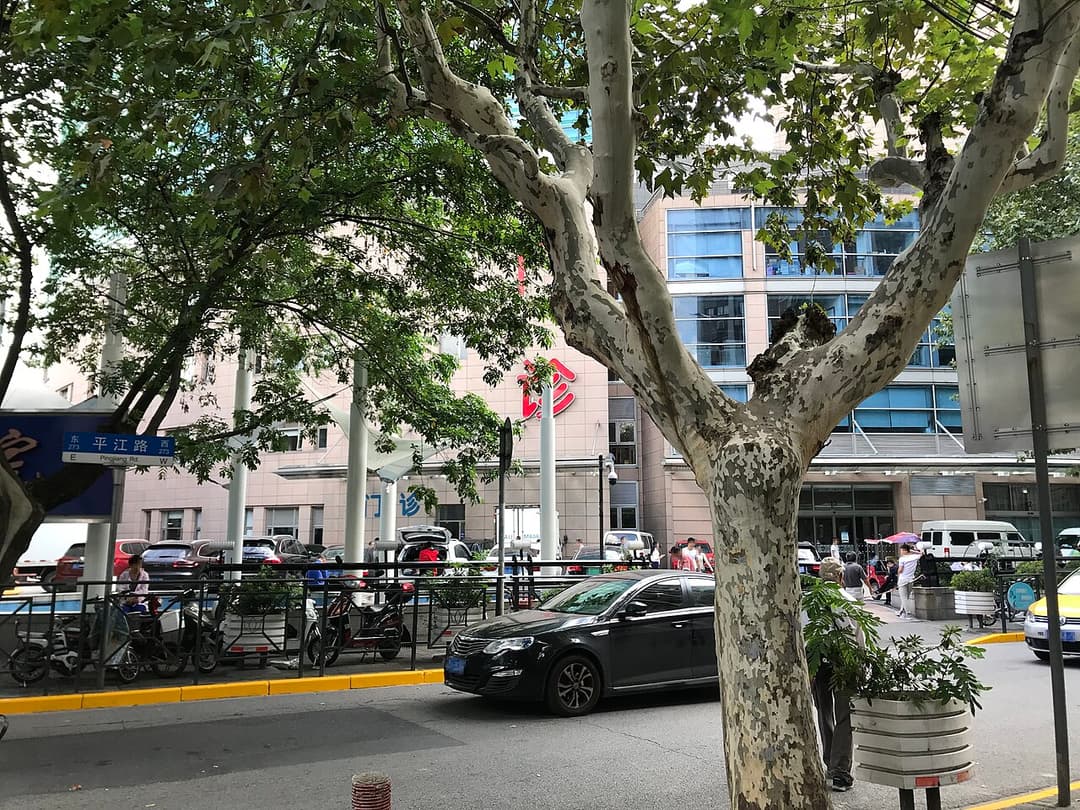
Public tertiary hospital
A historic Fudan-affiliated comprehensive tertiary hospital in Shanghai, often considered for cardiovascular, liver, thoracic, pulmonary, renal, and multidisciplinary complex-care pathways.
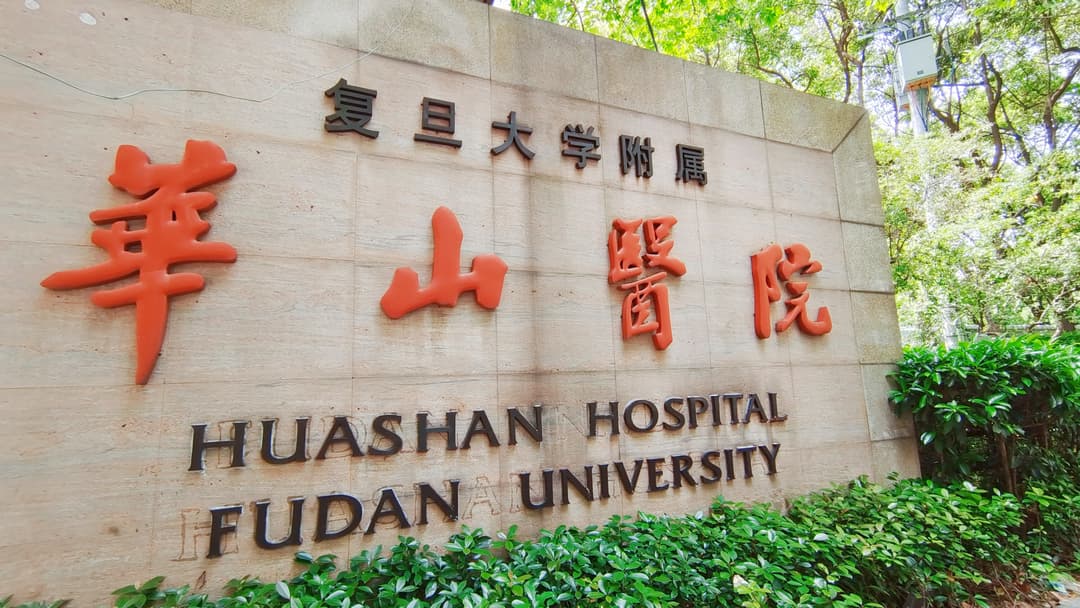
Public tertiary hospital
A Fudan-affiliated tertiary hospital especially relevant for neurology, neurosurgery, dermatology, infectious disease, and complex specialist review in Shanghai.
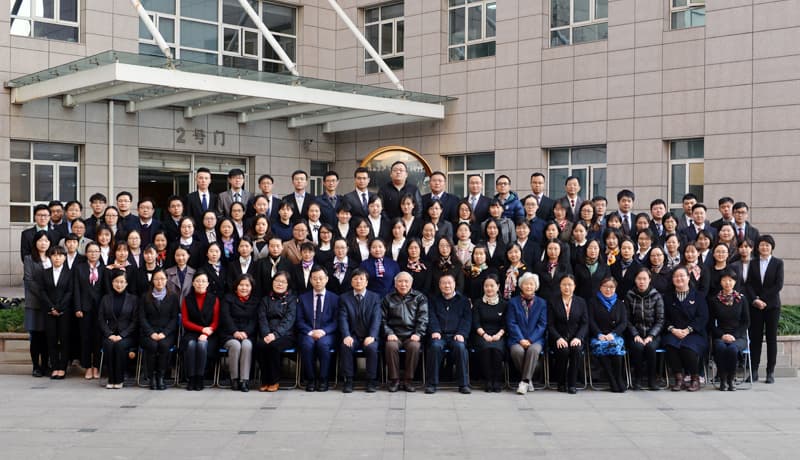
Public tertiary cancer specialty hospital
A major Fudan-affiliated cancer specialty hospital with large oncology volumes, two main campuses, and integrated links with the Shanghai Proton and Heavy Ion Center.
Free preparation checklists
Patients who send organized records, a clear diagnosis timeline, and specific questions usually get more meaningful provider responses.
Diagnosis, treatment history, medication list, lab reports, imaging reports, pathology, discharge summaries, passport name, and treatment goal.
Pathology, staging, imaging files and reports, molecular testing, prior treatment timeline, surgery notes, chemotherapy/immunotherapy history, and current performance status.
Questions to clarify before booking flights: hospital route, appointment timing, deposits, repeat testing, caregiver needs, estimated length of stay, and follow-up plan.
Why patients can trust the process
We use official hospital pages, government information, and public patient-pathway sources where possible, then separate verified facts from items that still need confirmation.
A famous hospital name is not enough. We look at specialty, records, language needs, urgency, likely access route, and whether private or public care is more practical.
The goal is to organize documents and questions before a patient books flights, pays deposits, or enters a hospital system they do not understand.
ChinaMedNav coordinates and translates. Licensed physicians diagnose, treat, prescribe, and decide whether a case is accepted.
Stories and discussions
Founder essays, hospital stories, media reports, and Reddit discussions can make China medical care easier to understand. They are context, not guarantees or endorsements.
Founder case
Founder essay, not routine-care evidence
A ChinaTalk guest essay by Jacob Stern described traveling with GitLab co-founder Sid Sijbrandij to Beijing for an experimental scan targeting a biomarker relevant to Sijbrandij's osteosarcoma.
Patient discussion
Public forum anecdote
Reddit threads from foreign residents and travelers describe a recurring pattern: China can feel fast, affordable, and clinically capable, but hospital navigation, language, payment steps, and public-private choices can be confusing.
Patient case
Hospital-reported case
Jiahui International Hospital reported the story of a New Zealand patient, identified by the pseudonym Joshua, who traveled to Shanghai for BCMA CAR-T treatment after relapsed multiple myeloma.
Start here
Email a short case request. We will tell you what information is needed and which China planning service is the right first step.