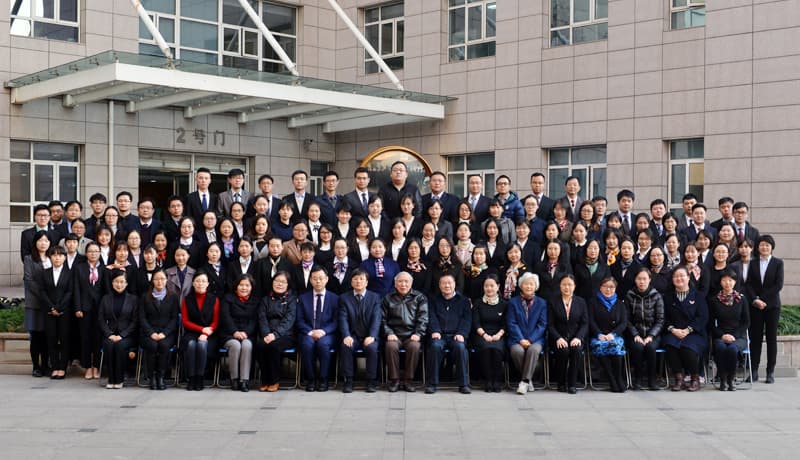
The hospital describes itself as one of China's earliest cancer specialty hospitals.
Fudan Shanghai Medical College materials describe Xuhui and Pudong campuses plus close integration with Shanghai Proton and Heavy Ion Hospital.
Current operational numbers should be rechecked before patient planning.
These figures appear in public search snippets from the hospital's own overview pages.
Individual eligibility requires specialist review.
Potential strengths to evaluate
Capabilities and care environment
High-volume oncology system
Public hospital materials cite very large annual outpatient, inpatient, surgery, chemotherapy, and radiotherapy volumes, making it a key Shanghai option for oncology second opinions and treatment planning.
Disease-specific oncology departments
The hospital's model is organized around tumor types and modalities, including surgical oncology, medical oncology, radiotherapy, pathology, imaging, and related medical technology departments.
Advanced radiotherapy access questions
Its link with proton and heavy-ion resources is important for selected cancers, but eligibility depends on diagnosis, stage, prior treatment, imaging, pathology, and physician review.
Patients who may consider this pathway
- Patients seeking oncology second opinions in Shanghai
- Patients needing breast, thoracic, GI, gynecologic, head-and-neck, or radiation oncology review
- Patients exploring whether proton or heavy-ion therapy is clinically relevant
Planning notes
- Oncology inquiries should include pathology, imaging, staging, treatment history, and molecular testing where available.
- ChinaMedNav should confirm whether the relevant disease group accepts international inquiries and what translated documents are required.
- Treatment eligibility and timing are physician decisions, not coordination-service decisions.